
After sixteen years guiding tourists through Nashville, TN, I get asked this question daily: Is Nashville Walkable? Let me be straight with you: Nashville is somewhat walkable, but only in specific portions. Downtown stays densely packed with honky-tonks and restaurants where you can walk around comfortably. The Broadway district and some areas like Germantown are genuinely decent for pedestrians. But here’s what most travel blogs won’t tell you—the rest of this city runs completely car-centric. If you live in or visit neighborhoods remotely outside the tourist core, reaching different places becomes nearly impossible without driving. Our city-wide transit system doesn’t connect most attractions effectively. Those one-way streets downtown work once you learn the flow, but let’s quit bitching around the reality: Nashville wasn’t designed for walkers beyond entertainment districts.
Is Nashville a Walkable City?
No, Nashville is not a walkable city overall. It scores just 29 out of 100 for walkability. Downtown, Germantown, and East Nashville offer excellent pedestrian access, but 90% of the metro area requires a car for daily errands.
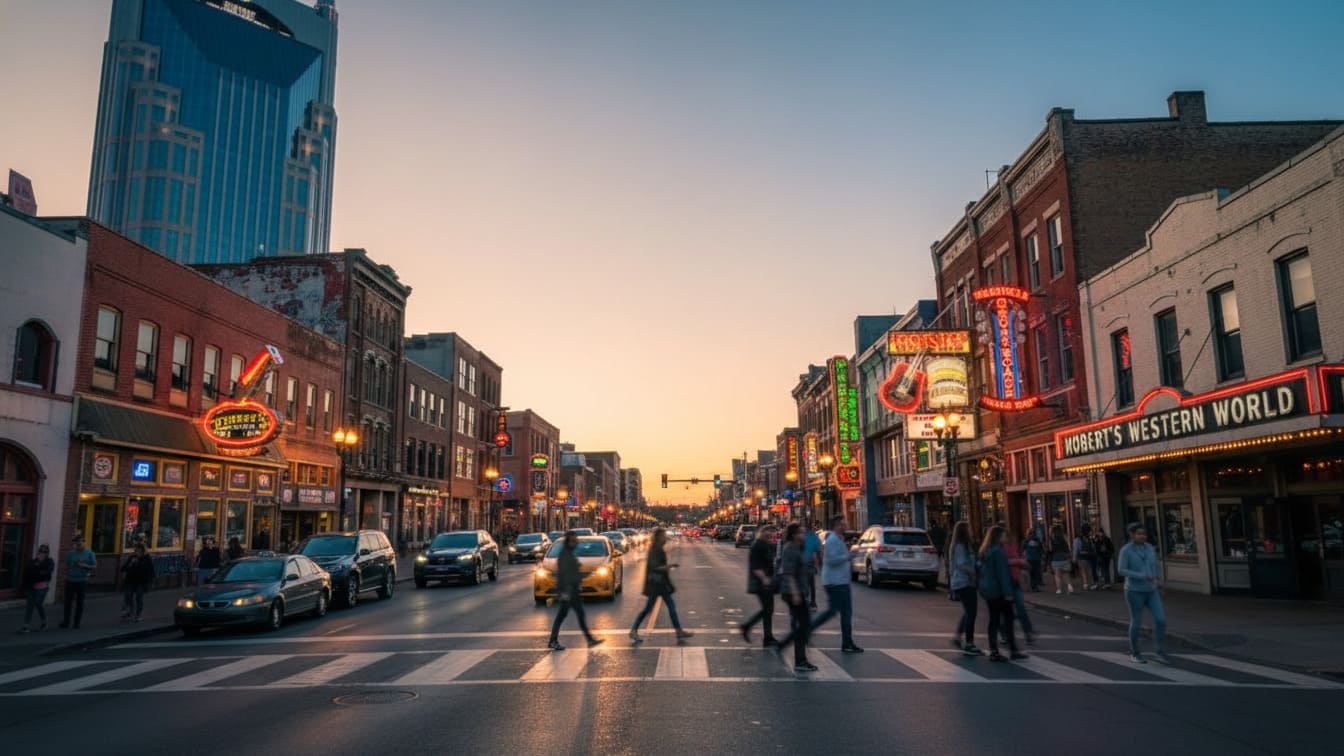
How Walkable is Nashville Really?
The city as a whole isn’t the best city on the planet for walking, but it’s not great either. The truth depends on where you are going and where you live. Inside the 440 loop, you’ll find very walkable areas with sidewalks connecting restaurants, entertainment, and grocery stores. But beyond specific pockets, most parts require you to drive or Uber for hours just to reach medical facilities or administrative centers. Our public transportation system is honestly a joke compared to cities with light rail or cohesive whole transit networks. It’s always been that way here, and despite recent initiatives, it’ll take decades before we have sidewalks everywhere.
The Wealth Gap Behind Nashville’s Walkable and Unwalkable Neighborhoods
The gap between rich enough neighborhoods and struggling areas explains everything. Wealthy residents who live and work in newer neighborhoods near the center of town enjoy excellent design with running paths and easy access to liquor stores. Meanwhile, old, worn out sections remain littered with broken infrastructure where pathways barely exist. If you have mobility issues, these rough parts of town zones become impossible. The Tennessean covered how our bill for future toll roads gets prioritized while pedestrian funding disappears—some time ago, one article warned walkability is going down the drain. Technically, you can walk the areas I use downtown which are perfectly usable, but travel 6+ miles out and the public transport system becomes overcrowded or vanishes otherwise no. This isn’t personal definition—it’s urban planning failure, and if you’re looking somewhere else to live, understand this won’t change in the next 2,000 years without major reform.
Walking Around Downtown Nashville
Downtown Nashville delivers strong walkability within the immediate downtown area—Broadway, the Gulch, and Printer’s Alley connect seamlessly for people strolling between restaurants, bars, and entertainment venues. However, slightly outside this core zone, sidewalks become inconsistent and walking infrastructure weakens. The city center works for pedestrians, but non-downtown neighborhoods tell a different story. 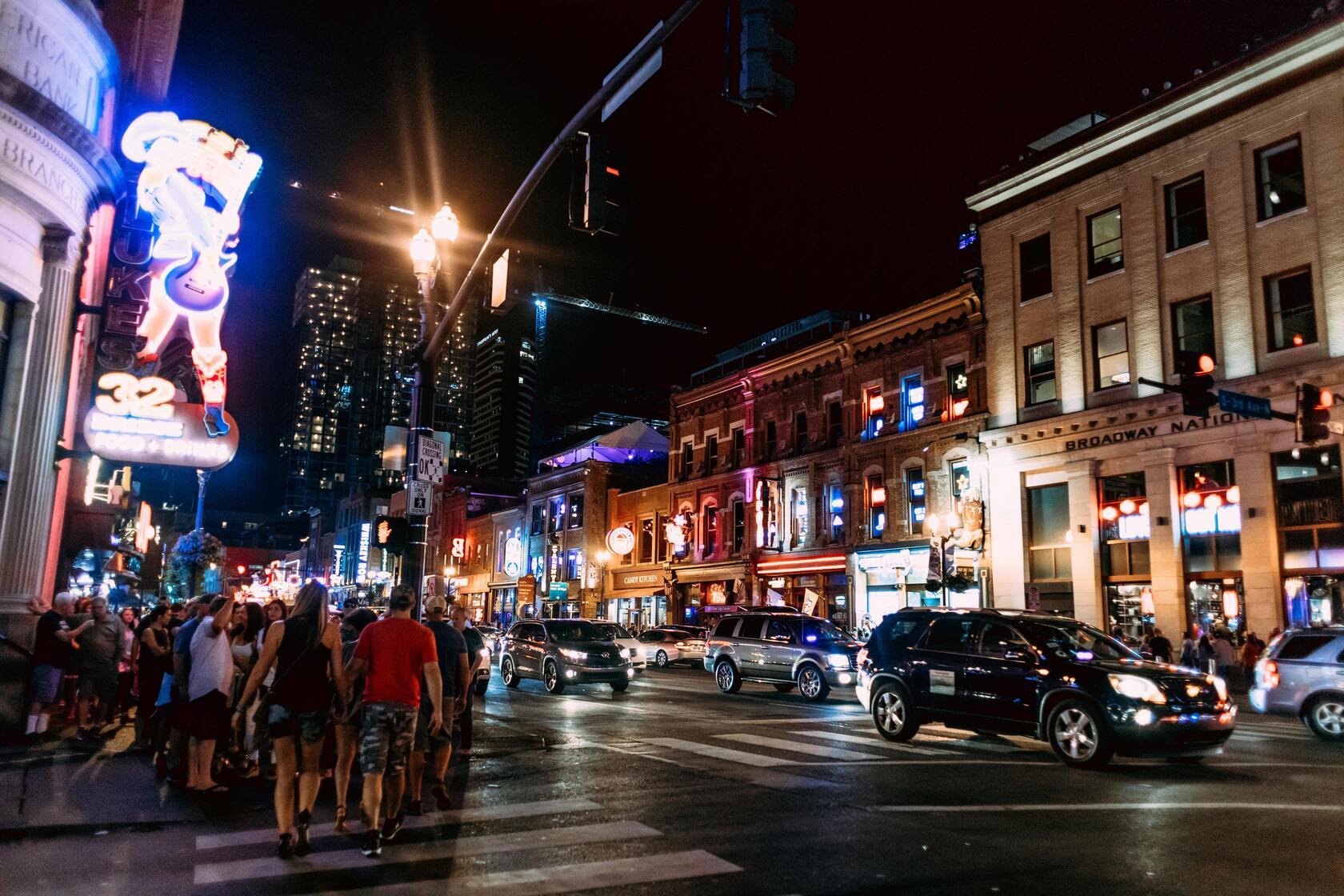
Is Downtown Nashville Walkable
Yes, downtown Nashville ranks as one of the most walkable zones in the city proper. I’ve lived here watching thousands of people wandering Broadway without difficulty. The surrounding area includes the Gulch, SoBro, and Germantown—all designed for pedestrian flow with adequate streetlights and bike lane access. Unlike countries where walkability meets global standard expectations, Nashville’s core area stands out as an exception in an otherwise car-dependent metro. Family-friendly zones like Bicentennial Mall and parks offer safe spaces for a family strolling together. Recent improvements added better bus stop placement and protected crossings. While not matching walkable cities like Hoboken or Austin, downtown delivers decent pedestrian infrastructure that Americans find comfortable for regular outings.
Where to Walk Downtown Nashville
- Broadway Honky-Tonk District – The most concentrated walkable zone where my wife and I regularly walk this three-block stretch connecting bars, live music venues, and late-night dining.
- The Gulch – Provides upscale restaurants and boutiques within a family-friendly pedestrian environment perfect for leisurely strolling.
- Cumberland River Greenway – Supports biking and running with protected paths for longer routes and active recreation.
- Germantown’s Fifth Avenue – Connects historic buildings with modern eateries—I’ve watched this neighborhood transform into a walkable gem.
- Belcourt Theater Area (Hillsboro Village) – Creates another pedestrian pocket worth exploring with the Belcourt and surrounding shops.
Get around these zones easily without a car, though traveling between them often requires rideshare unless you use the bus system.
Is It Safe to Walk Around Downtown Nashville at Night?
Downtown Nashville generally feels safe at night within tourist zones due to heavy police presence and active streetlights. I’ve walked Broadway past midnight countless times without incident, though staying aware of your surrounding area remains essential. The immediate downtown area maintains visibility and foot traffic most evenings. However, I didn’t feel safe in certain areas slightly outside the core—empty blocks between districts lack proper lighting and foot traffic. Jaywalking becomes tempting but dangerous given traffic patterns and limited crosswalks. For families, stick to Broadway, the Gulch, and well-lit parks after dark. Solo walkers should avoid isolated blocks and use rideshare for distances beyond the tourist corridor—gambling with your safety isn’t worth the savings.
Most Walkable Neighborhoods in Nashville
Nashville has walkable pockets rather than walkable neighborhoods city-wide. While you’ll find SOME neighborhoods with high walk scores and pedestrian-friendly infrastructure, understand that walkable neighborhoods ≠ walkable city. I’ve guided clients through a handful of walkable neighborhoods where groceries, bars, stores, and restaurants sit within walking distance. These prewar neighborhoods near downtown offer the best pedestrian experience, though they come with higher rent and affordability challenges. Most postwar neighborhoods remain car dependent and require you to drive everywhere. 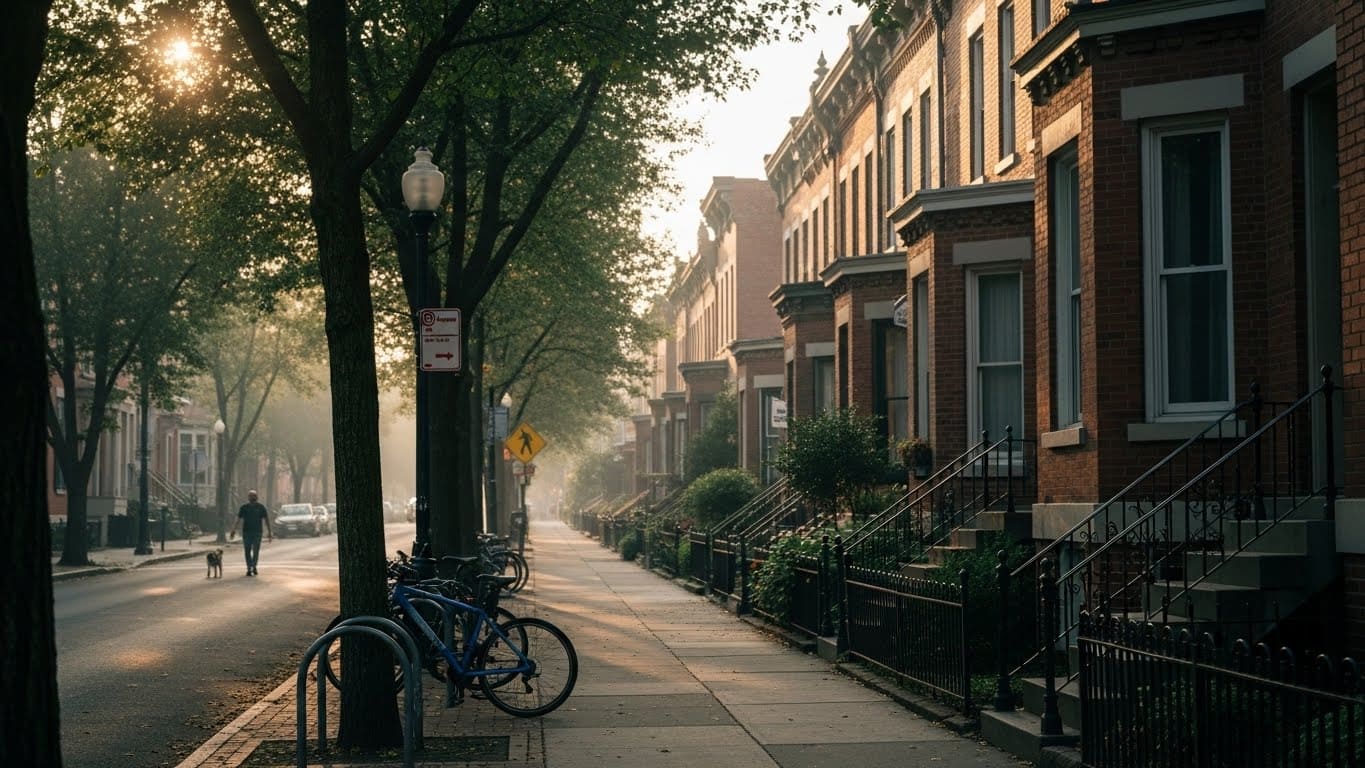
The Gulch
The Gulch stands as Nashville’s most upscale walkable zone, featuring luxury apartments that dominate pedestrian-friendly streets with restaurants at every corner. During the building boom, this 15×15 block district transformed from industrial wasteland into a premium neighborhood where rents now compete with the country’s most expensive markets. You’ll face bidding wars and pay tens of thousands annually to call this place home. The main road corridors feature wide sidewalks and protected bike lanes that keep people on foot moving comfortably, while most buildings include pool, gym, and standard housekeeping amenities designed to attract richer professionals.
Germantown
Germantown blends historic architecture with modern walkability, particularly around the Five Points intersection where pedestrian-friendly streets connect popular bars and eateries seamlessly. The prewar buildings and restored houses create authentic character that newer developments simply can’t match, while the riverfront extension project dramatically improved connectivity to downtown. Rent here stays more reasonable than luxury districts, making it appealing for value-conscious buyers. When the tornado destroyed the notorious Murder Kroger, new developments filled the gap to serve the expanding pedestrian population. Well-maintained bike lanes and quality sidewalks make this neighborhood attractive to families who want genuine walkable neighborhoods without suffocating tourist saturation.
East Nashville
East Nashville around Five Points delivers the most authentic walkable experience, with people on foot creating genuine street life throughout the day. Woodland Street anchors the area with grocery store access, beloved local bars, and independent shops that define the neighborhood’s creative spirit. Rent remains more affordable than West side properties, though bidding wars have intensified as word spreads about the area. Sidewalks cover most blocks with ongoing improvement projects addressing gaps, while reliable bus routes provide direct connections to downtown and expanding bike infrastructure makes cycling practical. The diverse population of artists and young professionals generates the vibrant street culture that makes this neighborhood genuinely engaging.
12 South
12 South became Nashville’s premier walkable redevelopment success story, transforming this main road corridor into a bustling destination filled with trendy boutiques and acclaimed restaurants near Belmont University. Weekend visitors create intense congestion where traffic barely moves and pedestrians pack the sidewalks, which actually proves how desirable the area has become. Rent here matches premium market rates due to overwhelming demand, and the neighborhood flows naturally into Hillsboro Village through the Hillsboro/21st area, expanding the walkable territory considerably. City planners added critical infrastructure upgrades including safer crosswalk designs after several pedestrian accidents raised public concern. The premium rents directly reflect both exceptional walkability and the polished neighborhood aesthetic that attracts constant foot traffic.
Midtown
Midtown provides practical walkability for the area between Vandy, West End, and the medical district where thousands of students and professionals work daily. Modern apartment complexes offer door-to-sidewalk access that puts groceries and essential services within easy walking range. Multiple bus routes create functional public transportation connections throughout the city, making car-free living genuinely feasible here. Rent spans a wide spectrum—sleek luxury buildings demand top dollar while older complexes provide real affordability for budget-minded renters. Traffic and congestion intensify near hospital zones, but dedicated bike lanes help you navigate around the bottlenecks. This efficient pedestrian-friendly neighborhood draws people who value practical function over picture-perfect charm.
Hillsboro Village
Hillsboro Village forms a cozy walkable enclave near Belmont and Vandy, where the beloved Belcourt theater serves as the cultural anchor for this compact 4 blocks district. Local restaurants and quirky vintage shops fill the charming prewar buildings and traditional houses that preserve the area’s historic character. Steady pedestrian traffic from university students and neighborhood residents keeps the sidewalks active throughout the day. Rent stays noticeably moderate compared to showier neighborhoods like the Gulch or 12 South, which makes it accessible for younger residents and artists. The area naturally extends through the Hillsboro/21st area connection toward Midtown, creating a broader walkable zone. Scarce parking actually encourages bike usage, which perfectly suits the neighborhood’s bohemian atmosphere. Though the infrastructure shows its age, it still functions well for people seeking small-town warmth within urban convenience.
Salemtown
Salemtown represents Nashville’s newest walkable success story from the recent building boom, where developers converted empty lots into inviting pedestrian-friendly streets lined with attractive new housing. The location right next to Germantown puts downtown within comfortable bike range, which attracts young professionals and families hunting for affordability before prices inevitably climb. Smart planning incorporated proper sidewalks and bike lanes into the infrastructure from the ground up rather than retrofitting them later. Local bars and cafés have started opening their doors, though reaching a full-service grocery store still requires a short trip outside the neighborhood. Currently, rent here offers Nashville’s strongest value proposition for authentic walkability, with a steadily growing population discovering what makes this area special.
SoBro (South of Broadway)
SoBro operates as an extension of Nashville’s tourist district, featuring pedestrian-friendly infrastructure built primarily to serve visitors exploring convention halls and entertainment complexes. Broadway defines the northern edge while the riverfront stretches along the southern boundary, offering scenic river views. Strong walkability exists throughout the area, but it’s designed for tourists rather than residents—surprisingly few people actually live here full-time. The luxury apartments mostly accommodate short-term visitors and Airbnb owner investment properties rather than building lasting community. Extra-wide sidewalks efficiently handle heavy tourist traffic, with strategically placed crosswalk systems managing crowd movement during major events. Pedestrian bridges provide convenient connections to Germantown, though the entire infrastructure clearly prioritizes visitor needs over residential character, which shows in the exceptionally high rent prices.
Buena Vista
Historic Buena Vista sits just minutes from downtown with an impressive Walk Score of 72, making everyday errands completely manageable on foot for this diverse neighborhood. The area beautifully blends renovated prewar homes with longtime residents who’ve called it home for over 60 years, creating genuine community bonds. Rosa Parks Boulevard serves as the main road connection to Metro Center and surrounding districts. Rent remains surprisingly affordable compared to heavily gentrified areas—median rates around $951 monthly attract low income families and young professionals seeking reasonable housing costs. The population genuinely prioritizes community connection over Instagram-worthy aesthetic appeal, keeping the neighborhood grounded and authentic. Reliable sidewalks connect welcoming coffee shops, well-maintained parks, and family-owned restaurants within comfortable walking distance, while basic public transportation via bus routes covers essential connectivity needs.
The Nations
The Nations neighborhood on Nashville’s west side experienced rapid growth as a walkable destination, where craft breweries and family-friendly parks attract residents seeking community without downtown intensity. This building boom area successfully maintains neighborhood character while adding contemporary conveniences within walkable range. Recently opened restaurants and coffee shops provide natural gathering spaces that strengthen community connections. Rent offers substantially better affordability than established districts, drawing families and professionals who’ve been priced out of trendier areas. Newer new housing developments incorporate well-designed sidewalks and bike access from initial planning rather than adding them as afterthoughts. The expanding population appreciates the quieter residential streets while enjoying pedestrian-friendly access to daily necessities. The infrastructure keeps improving steadily as more people move in, attracted by the promising balance between reasonable costs and genuine walkability.
Edgefield
Edgefield achieved a Walk Score of 73, ranking as Nashville’s fifth most walkable neighborhood and earning distinction as the city’s first area listed on the National Register of Historic Places. This beautiful prewar community showcases Victorian-era buildings while maintaining peaceful suburban character despite sitting remarkably close to East Nashville’s creative energy. Residents comfortably walk to tree-shaded parks, independent coffee shops, quality restaurants, and friendly neighborhood bars without the distances feeling burdensome. Downtown sits just one mile away, providing excellent urban access when needed. The surrounding area features genuinely pedestrian-friendly streets that connect smoothly to Shelby Hills and East End districts. Rent remains moderate while delivering solid walkable infrastructure that supports daily routines effectively. Families and young professionals appreciate the preserved historic character combined with modern walkable convenience, making this neighborhood feel both timeless and practical.
Where Nashville Falls Short for Walkers
Nashville fails walkers beyond its few downtown zones, with suburban sprawl, missing sidewalks, and car-centric development dominating most areas. I’ve watched this city prioritize highways over pedestrian needs my entire life. The unwalkability stretches across major roads where entire stretches have zero sidewalk infrastructure. Our brutal summers with 95°F heat make walking exhausting, while the hilly terrain adds another layer of difficulty that flatlanders don’t expect. Most people who live and work outside tourist districts get completely priced out of walkable zones, leaving them no choice but to drive cars for every single errand. 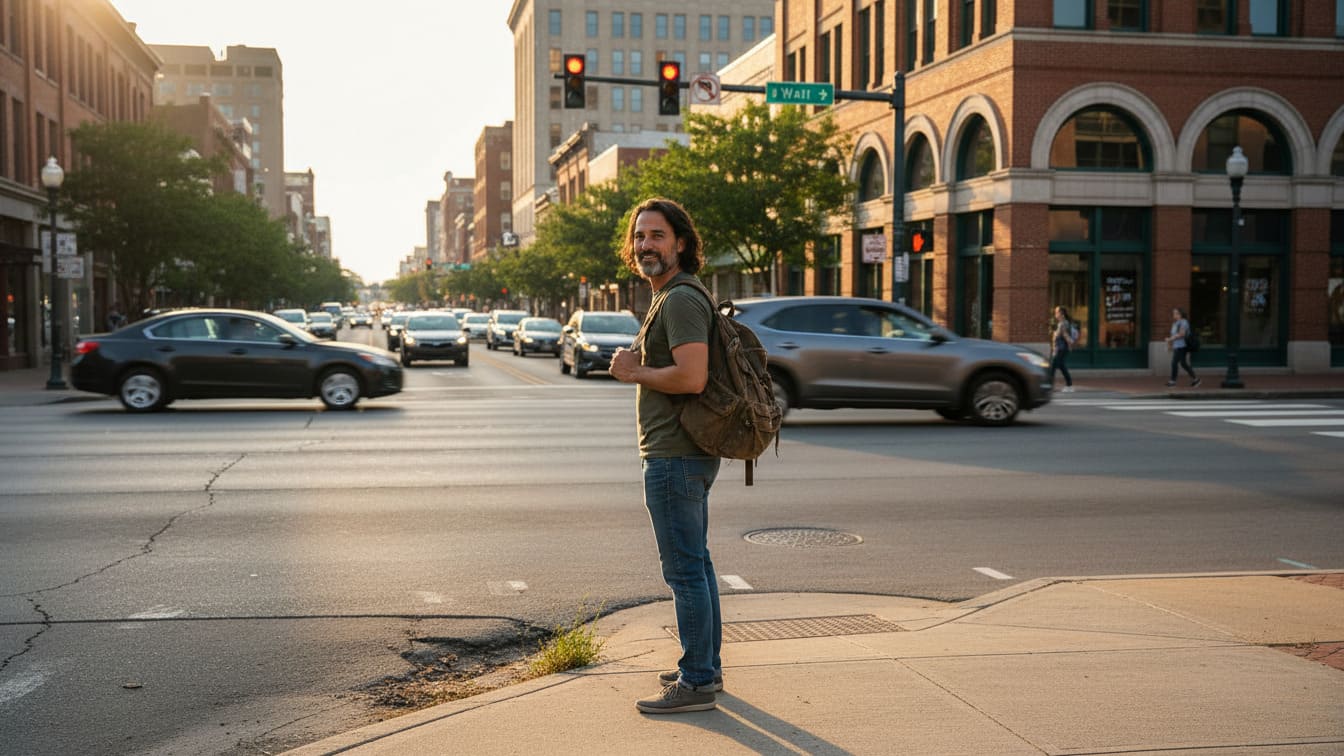
What Makes Walking So Difficult in Nashville
Pedestrians face genuinely dangerous conditions throughout Nashville, where bizarre infrastructure gaps put walkers in harm’s way daily. I’ve been a member of Walk Bike Nashville for years, volunteering and supporting their good work, yet progress moves at such a poor pace it might take another 100 years to properly fix. Roads like Trinity Lane have entire stretches with zero sidewalk and barely any shoulder space, forcing people to walk on pavement strewn with holes and garbage. Children face unsafe routes to school—my mother-in-law tells stories about how her kid walked to West End Middle School while her other siblings went to Eakin Elementary, and she worried constantly about traffic. Even Vandy student and staff populations deal with sidewalks that suddenly end or simply don’t exist, creating unwalkability that shocks anyone from walkable cities. The city keeps tossing bucks at expanding highways while basic pedestrian safety gets ignored, forcing families to drive their kids everywhere just to keep them safe.
Neighborhoods That Require a Car
Car dependency defines most Nashville neighborhoods outside the downtown core:
- Suburban subdivisions – Any subdivision lacks walkable proximity to necessities. The nearest grocery store often sits 2–3 hours away on foot, with zero access to a gas station or 5 different coffee shops within reasonable distance.
- Missing infrastructure – Entire stretches of residential roads have zero sidewalk, forcing people onto dangerous pavement strewn with holes and garbage.
- Limited transit options – My dad used to catch bus routes to Green Hills for movies back in 1991, but even that minimal public transport has declined significantly.
- Dangerous pedestrian conditions – Cars regularly risk hitting people who are simply walking home from school or their job in areas completely lacking sidewalks.
The reality hits hardest when friends from walkable cities visit and experience the difference firsthand. Friends who moved here from the NOVA/DC area about two years ago couldn’t fathom the transformation—back in the DMV area, they walked everywhere comfortably, but Nashville forces them to drive cars for absolutely everything. A relative from FL who came to visit a few years ago made immediate plans to move somewhere else after realizing she couldn’t safely walk from a place near Belmont to the Parthenon without facing aggressive traffic. The Cumberland River riverfront offers scenic walks once you arrive, but actually getting there from residential neighborhoods requires driving first. Nashville remains supremely unwalkable beyond its tiny collection of walkable neighborhoods, where concentrated demand keeps housing prices outrageous and completely priced out average families. This isn’t just about inconvenience—it creates genuinely life-threatening situations for pedestrians throughout the city who have no safe alternatives to car ownership. Founder & CEO A Nashville native with 16+ years in tourism leadership, Dr Ethan Marsh founded this platform to share authentic local experiences. His hands-on approach ensures every guide is crafted with care and verified by trusted experts.
Dr Ethan Marsh