Nashville Historic Sites You Should Actually Know About​

Nashville is a city steeped in history, and its ascendancy as a music capital only came after two centuries of change most visitors never hear about. Long before the lights of downtown, this land started as a backcountry trading post, and that early founding fed into a nation’s history far bigger than one small river town. Over time Nashville grew into a real center of government, war, and eventually music, and the buildings left behind still carry that whole story inside their walls. This page is a plain guide to the historic landmarks, historic places, and historical sites that mark the city’s evolution, showcasing how one place can hold onto its past while still moving forward. Every stop in this collection earned its spot by playing a real significant role in that story, not by looking good in a photo.

Browse Nashville's Historic Places & Stories

We cover the city from west to east, south to north, the historic landmarks everyone already knows about and the quieter historic places nobody bothers explaining anywhere, not on Reddit, not in a random travel blog, nowhere. Some of what’s here made popular attractions lists for a reason. A lot of it didn’t, and that’s exactly the gap this collection fills.

Nashville History for Visitors and Locals

Doesn’t matter if you’re here for a short trip itinerary or you’ve lived in this city your whole life, most people only know the repeated version of Nashville’s story. This page exists for the rest of it, the pivotal moments and overlooked historic sites that never made anyone’s highlight reel, family road trip or otherwise.

What We Cover in Our Nashville History Guides

This isn’t a list of the same five landmarks every other site repeats. We dig into the buildings with a real story behind them, the ones with an actual architect entombed inside by his own choice, a former president and wife interred on the same grounds, a full scale Greek temple nobody expects to find in Tennessee, a street that used to be nothing special before it became one of the loudest in the state. Some of it echoes back to Fort Nashborough on the original riverfront settlement. A lot of it sits tucked near Printers Alley and the old Music Row blocks nobody bothers explaining, just the hidden gems and overlooked corners that actually built this city.

Why Does Reading This Feel Like Being There?

A plaque only gives you a date. Standing on ground Fort Negley once defended, or near the bluff where Timothy Demonbreun settled long before the city had a name, gives you the weight no caption carries. Nashville isn’t one story, it’s layers, from Fisk University to the old rail lines still humming under Union Station, holding the whole city up.

Famous Landmarks in Tennessee You'll Find Right Here in Nashville

As your local guide, let me walk you through the spots I always point friends toward first. These are the buildings and grounds that carry Nashville's real story, not just a good photo.
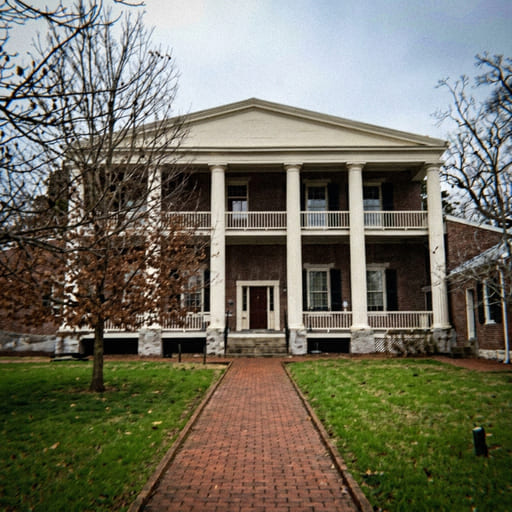
The Hermitage home of Andrew Jackson a top pick on any Nashville historic driving tour 01

The Hermitage

Meet Andrew Jackson, the 7th president, at his former home outside Nashville. This National Historic Landmark began as a log cabin in 1804, later growing into the current Greek Revival style structure Jackson selected for his 1,100 acre estate.
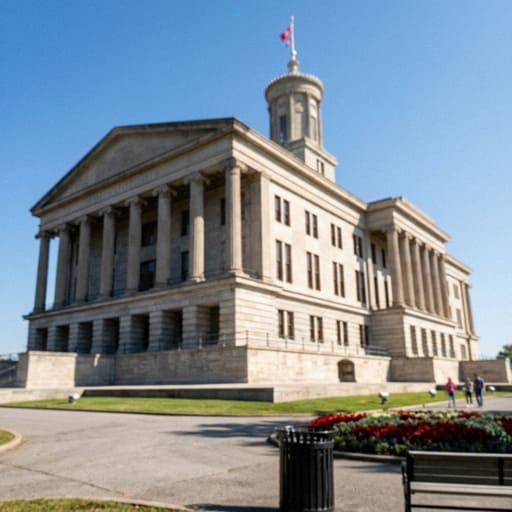
Tennessee State Capitol building tied to Nashville founding year facts and early statehood 02

Tennessee State Capitol

Designed by William Strickland, the Tennessee State Capitol is a Greek Revival style edifice finished in 1859, with murals, frescos, and ornate chandeliers inside. President James Polk and First Lady Sarah Polk are interred on the capitol grounds.
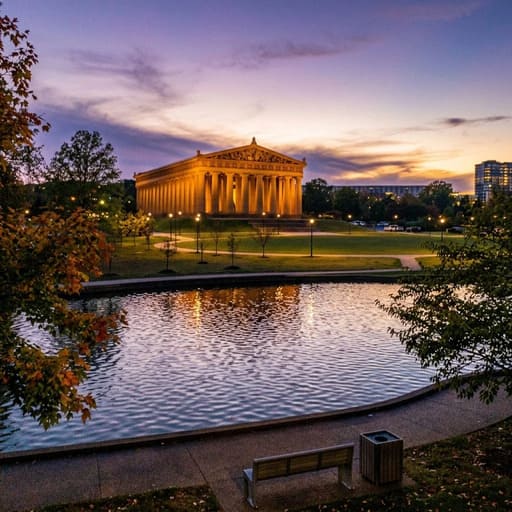
Nashville Parthenon replica a favorite backdrop in every historic Nashville documentary 03

The Parthenon

Nashville's Parthenon is a full scale replica of the original Parthenon in Athens, ancient Greece. Built for the 1897 Tennessee Centennial Exposition, it holds a 42 foot tall Athena statue covered in gold leaf, the tallest indoor sculpture anywhere.
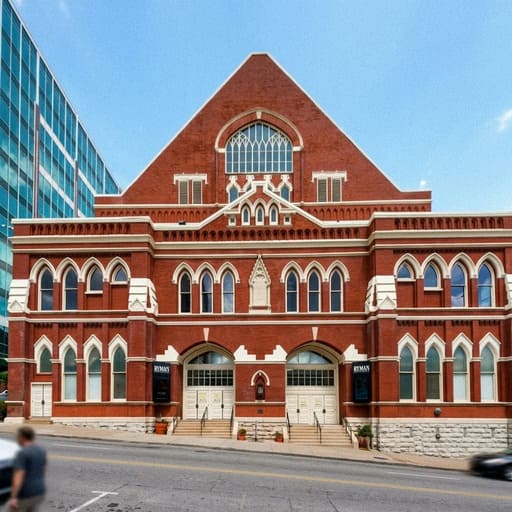
Ryman Auditorium exterior the centerpiece of most Ryman Auditorium history features 04

Ryman Auditorium

Fans call Ryman Auditorium the mother church of country music. This converted church opened in 1892, later hosting the original grand ole opry radio show. Hank Williams and Louie Armstrong once stood on Ryman's stage, and live shows still fill it.
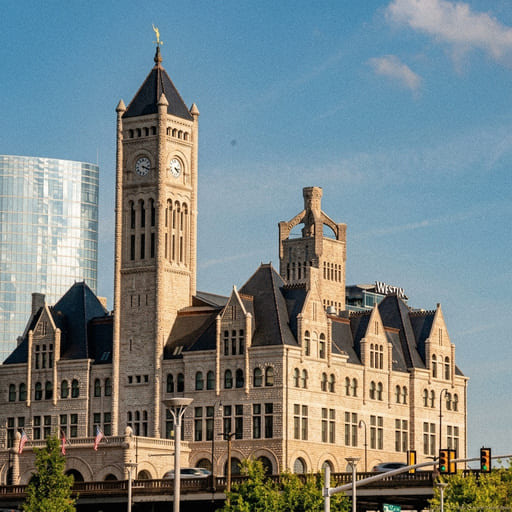
Union Station clock tower a free historic site in Nashville worth adding to any visit 05

Union Station

Union Station opened in 1900 as an American Victorian Romanesque Revival style edifice, once one of the world's largest train sheds. Its barrel vaulted lobby still holds a Tiffany stained glass ceiling, a nod to Nashville's transportation legacy, now a luxury hotel.
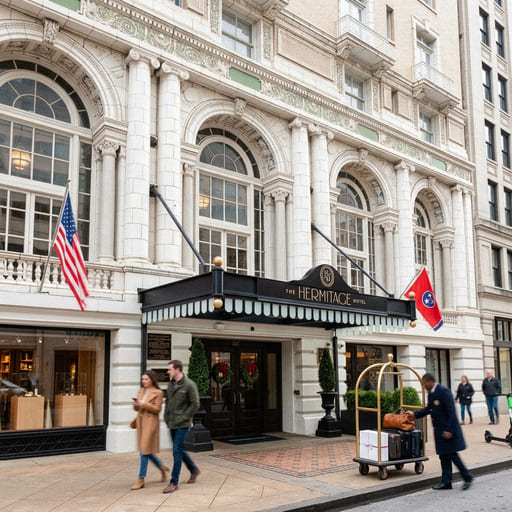
Hermitage Hotel entrance a favorite subject in books about Nashville's past 06

Hermitage Hotel

Since opening its doors in 1910, the Hermitage Hotel has been downtown Nashville's premier destination for Southern charm. This grand Beaux Arts style hotel boasts opulent interiors, marble floors, crystal chandeliers, and intricate woodwork, having hosted numerous U.S. presidents and Hollywood celebrities.
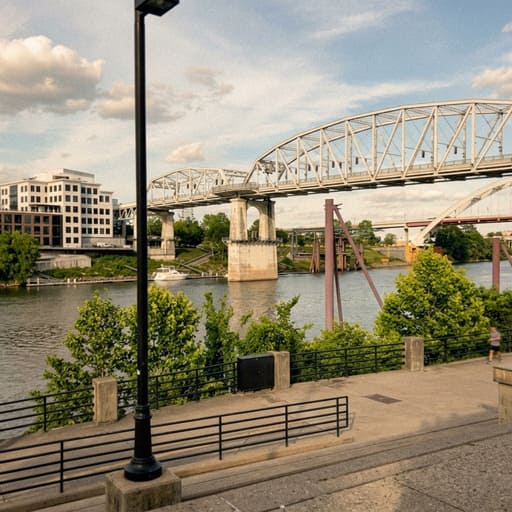
John Seigenthaler Pedestrian Bridge over the Cumberland River a fixture of Nashville in the 1800s river trade 07

John Seigenthaler Pedestrian Bridge

Originally built in 1909 as a railroad bridge, this span over the Cumberland River was converted into a pedestrian bridge in 2003. Locals still jog across it for breathtaking views of the Nashville skyline, especially when it lights up for fireworks.
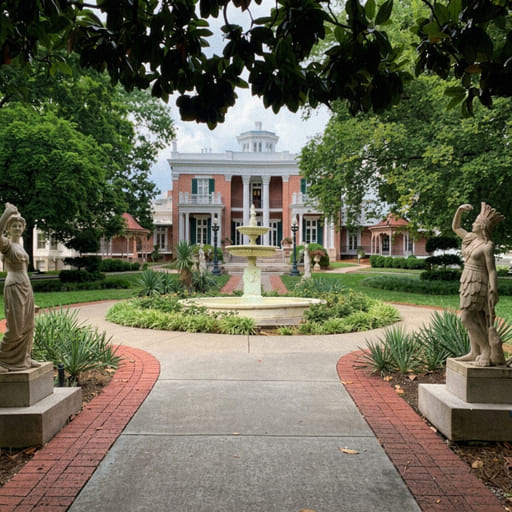
Belmont Mansion garden and fountain a hidden historic gem in Nashville few tourists know 08

Belmont Mansion

Belmont Mansion was the pride of Adelicia Acklen, once one of the wealthiest women in the 19th century South. This 10,000 square foot antebellum manor still shows original architectural details, Venetian glass windows, and landscaped gardens from the Civil War period.
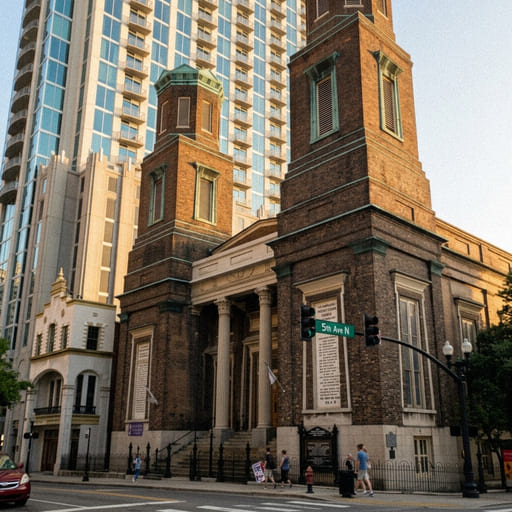
Downtown Presbyterian Church a stop on the downtown Nashville historic landmarks map 09

Downtown Presbyterian Church

Designed by noted architect William Strickland, Downtown Presbyterian Church has stood since 1816. This twin tower edifice, built in the rare Egyptian Revival architecture style, once served as a hospital and remains one of the few remaining examples of its kind.
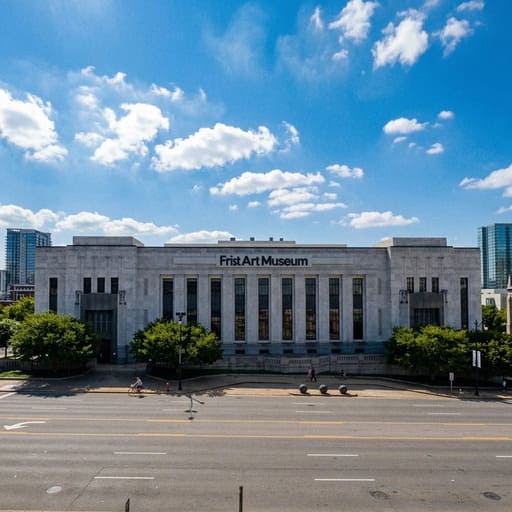
Frist Art Museum building included on most Nashville walking tour historic sites routes 10

Frist Art Museum

The Frist Art Museum opened in 2001 inside Nashville's main post office, an Art Deco building full of architectural grandeur. Now a cultural beacon for Music City's arts community, it celebrates diverse exhibitions that keep changing throughout the year.
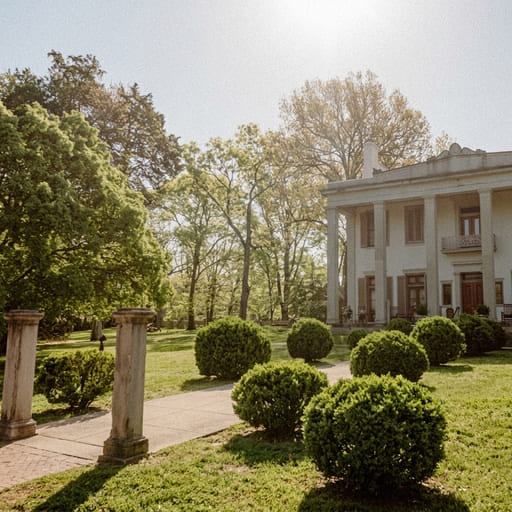
Belle Meade Plantation grounds tied closely to Nashville during the Civil War 11

Belle Meade Plantation

Belle Meade was bought by Virginian John Harding in 1807 and earned the name Queen of the Southern Plantations for its thoroughbred nursery. Famed racehorses like Secretariat, War Admiral, and Seabiscuit trace their lineage here, on a stately antebellum mansion over 30 rolling acres.
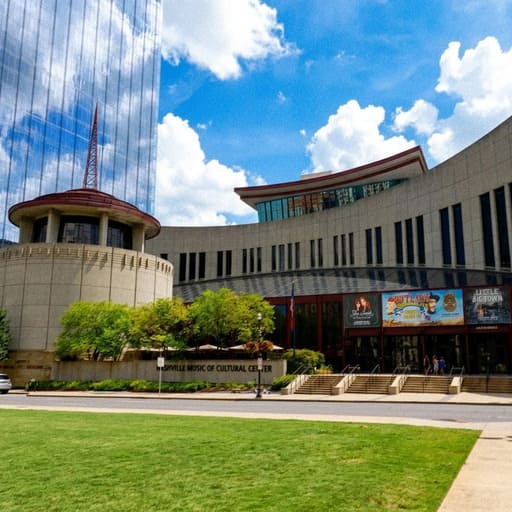
Country Music Hall of Fame marking the origin of Music Row Nashville and its rise to fame 12

Country Music Hall of Fame

The Country Music Hall of Fame celebrates the artists, songwriters, and contributors who shaped country music from its storied past into the present. Immersive exhibits showcase artifacts like Elvis Presley's solid gold Cadillac and Dolly Parton's flamboyant stage costumes.

Frequently asked questions

What is the oldest historic site in Nashville?

Nashville City Cemetery is the oldest public cemetery in Nashville, opened in 1822 and holding the earliest burials in the city, including two of Nashville's founders and twenty two former mayors, making it downtown's oldest preserved historic site.

Is the Tennessee State Capitol free to visit?

Yes. General admission to the Tennessee State Capitol is free and open to visitors, with complimentary 45 minute guided tours available on weekdays.

Who designed the Tennessee State Capitol?

Architect William Strickland designed the Greek Revival capitol, completed in 1859. Strickland's remains are interred near the building's cornerstone, and the tower was inspired by the monument to Lysicrates in Athens.

When was the John Seigenthaler Pedestrian Bridge built?

Crossing the Cumberland River east of downtown, the John Seigenthaler Pedestrian Bridge was built in 1909 and now connects Nashville's riverfront parks with foot access to Nissan Stadium.

Why is there a Parthenon in Nashville?

Nashville built a full scale Parthenon replica for its 1897 Centennial Exposition and later rebuilt it permanently, which is part of why the city calls itself the Athens of the South.

Are Nashville historic sites free to visit?

Many are. Free options include the Parthenon in Centennial Park, learning about the Civil War at Fort Negley, and the Music City Walk of Fame, though some historic homes charge admission.

What is the oldest neighborhood in Nashville?

Historic Germantown is Nashville's oldest neighborhood, settled by German immigrants beginning in the 1840s, spanning eighteen city blocks near downtown.

Does this guide cover Nashville's music history landmarks?

Yes, in part. Broadway's transformation from ordinary storefronts into Music City's loudest strip is covered, alongside government, architectural, and neighborhood history beyond music alone.

Does this page cover Nashville's hidden historic gems too?

Yes. Alongside the well known landmarks, this collection digs into overlooked buildings, neighborhoods, and stories most Nashville guides skip entirely.